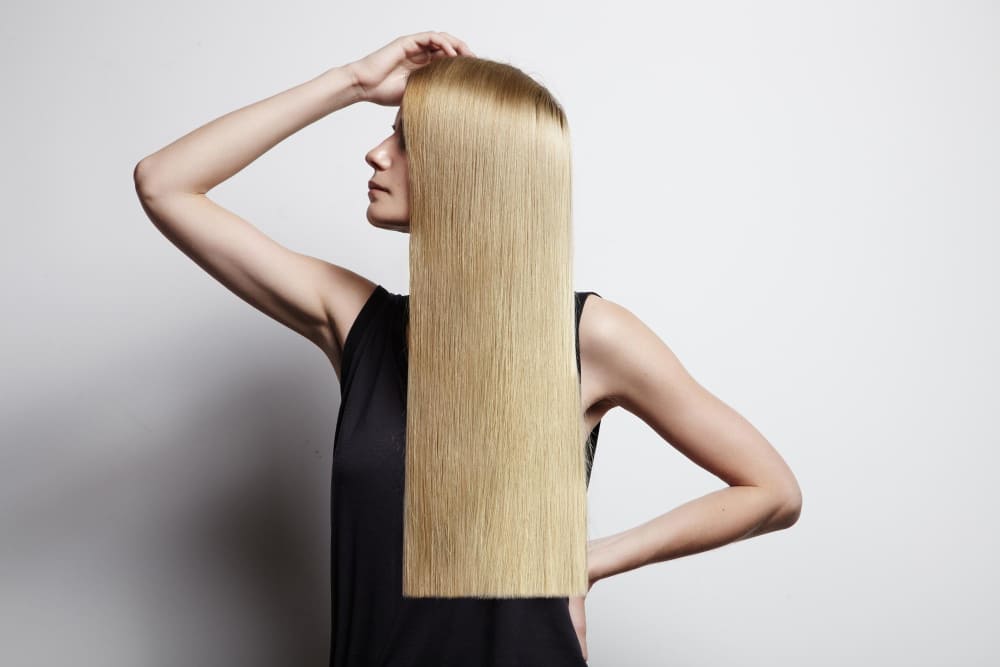
A hair glaze is a short-term shine treatment that coats the surface of your hair. It can be clear or lightly tinted, washes out gradually, and usually lasts 1 to 2 weeks. A hair gloss lasts longer, usually 3 to 6 weeks, and is the better choice when you want to refresh color or correct brassiness. The right one depends on whether you want shine only or a more noticeable tone adjustment.
What is a hair glaze?
Think of a hair glaze as a lightweight topcoat for your hair. It coats the outside of the strand to boost reflection, smooth the look of flyaways, and make your current color look fresher. A glaze does not lighten your hair or create a major color change. It is for enhancing what you already have.
Traditional hair glaze formulas do not use ammonia or peroxide, which is why they are a low-commitment option. The finish fades gradually with washing rather than leaving a grow-out line. That makes a salon hair glaze useful when your hair looks dull, your ends need a little polish, or you want a finished look before an event without committing to new color.
Is a hair glaze clear or colored?
Both exist. A clear glaze is for shine and a smoother-looking finish without changing the shade. A tinted hair glaze adds a sheer wash of tone that can make your existing color look richer or less faded, but it is not meant to transform it. If you want a clear glaze for hair, ask for shine with no color shift. If you want a hair glaze with color, bring up the tone you want to enhance, not a dramatic new shade.
Product names are not always consistent. Some at-home products use “glaze” and “gloss” interchangeably. What matters is the formula and the result: ask whether it is a surface treatment, whether it deposits tone, and how long the result is expected to last on your hair.
If you see “natural hair glaze” on a label, treat that as a product description, not a promise that every formula works the same way. “Natural” is not a standardized salon-service category. Read the directions and ingredients, and focus on whether the product is clear or tinted and whether it is meant to coat or deposit tone.

What is a hair gloss?
A hair gloss is a semi-permanent color service that works beyond the surface of the hair. In salon use, a gloss is typically mixed to deposit or adjust tone, then processed so it can refresh color, soften brassiness, add depth, or blend a harsh-looking transition between color appointments. It still adds shine, but it does more than a simple glaze.
A clear gloss can add shine without changing your shade. A tinted gloss gives a colorist more control, which is why it is often the better fit when blondes are looking too warm, brunettes look flat, reds have faded, or highlights need to look more connected. Unlike a glaze, a salon gloss may use a developer and its formula can include peroxide or an ammonia substitute. The exact chemistry varies by brand and service.
Hair glaze vs. gloss: what is the difference?
The simplest difference is this: glaze is a short-lived surface finish, while gloss is a longer-lasting tone and shine service. Both can make hair look smoother and more reflective, and both fade gradually. Neither is a substitute for lightening or a permanent color change.
| What you want to know | Hair glaze | Hair gloss | Permanent color |
|---|---|---|---|
| How it works | Coats the surface of the hair. | Deposits tone beyond the surface and is used as a semi-permanent color service. | Changes color more substantially through a chemical color process. |
| How long it lasts | Roughly 1 to 2 weeks. | Roughly 3 to 6 weeks. | Color remains until it grows out or is changed, though visible tone can fade. |
| Can it lighten hair? | No. | No. It deposits or adjusts tone. | It can lift, deposit, or do both, depending on the formula and goal. |
| Ammonia or peroxide | Traditional glaze does not use ammonia or peroxide. | Often uses a developer; ingredients vary by formula. | Often uses a developer or peroxide and may use ammonia or an alternative. |
| Can it correct brassiness? | Only subtly, if tinted. | Yes, this is a common reason to choose it. | Yes, with a color plan. |
| Best use case | Quick shine, smoother-looking hair, or a low-commitment refresh. | Refreshing faded color, refining tone, and shine that lasts longer. | Meaningful color change, lightening, or lasting gray coverage. |
How long does a hair glaze last?
A hair glaze usually lasts about 1 to 2 weeks. Because it sits on the surface, every wash slowly reduces the shine and any sheer tint. A hair gloss usually lasts about 3 to 6 weeks, since it is a semi-permanent service designed to hold tone longer. Those are useful planning ranges, not guarantees. Porosity, the formula, and your routine can make either treatment fade sooner.
If you are wondering, “Does hair glaze wash out?” the answer is yes. It is meant to wash out gradually. You can help either service hold on longer by:
- Washing less often when that works for your hair and scalp.
- Using lukewarm rather than very hot water.
- Choosing a gentle, color-safe shampoo instead of a clarifying shampoo for routine washes.
- Using heat protectant and limiting high-heat styling when possible.
- Rinsing promptly after swimming and protecting your hair from prolonged sun exposure.
Clarifying shampoos, frequent washing, hot water, heat styling, sun, and swimming can all make a glaze or gloss fade faster. When the shine or tone has faded, a touch-up every few weeks can maintain the result. The timing should follow your hair’s condition and the service used, not a rigid calendar.
Are hair glazes good for your hair, and do they damage it?
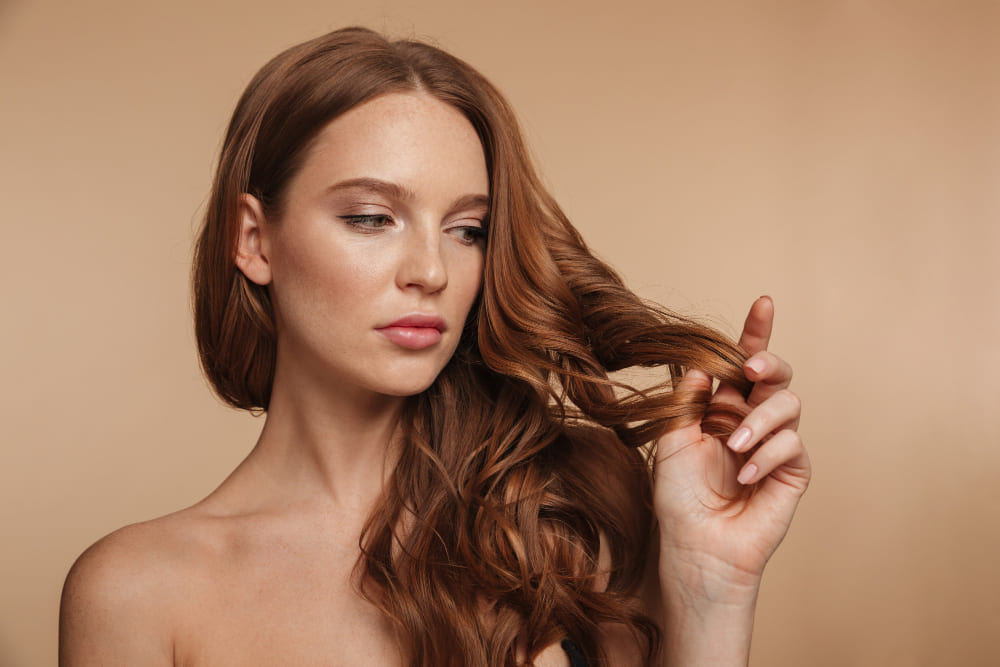
A glaze can be a good choice when you want the appearance of smoother, shinier hair without lightening or permanent color. A traditional glaze coats rather than lifts the hair, and it is a gentler option than a major color change. It does not repair breakage or replace a care routine, but it can make dull hair look more polished while it lasts.
Do glazes damage your hair? A traditional ammonia- and peroxide-free glaze is not a lightening service, so it is low risk compared with permanent color or bleach. Still, “glaze” is not a regulated formula category. At-home products differ, and a tinted product can have its own instructions and ingredients. Follow the product directions, do not assume one brand works like another, and ask a colorist when your hair is highly processed or you are unsure what is already on it.
Can you do a hair glaze too often? More is not necessarily better. A short-lived shine treatment can be refreshed when it has faded, but applying tinted treatments too frequently can make the tone look uneven or more saturated than you wanted. A clear glaze is simpler when your goal is only shine. If you keep needing a stronger correction, that is a sign to discuss a gloss or a color plan instead.
Can a hair glaze cover gray hair or change your color?
No, a glaze is not gray coverage. It can add shine to gray hair and a tinted glaze may soften the contrast between gray and pigmented hair, but its sheer, temporary finish will not cover gray hair in a meaningful way. It also will not lighten your natural hair or make a dramatic color change.
If your goal is to blend gray, correct a specific tone, or make your color look noticeably different, a gloss may be more useful. If you want dependable gray coverage or lightening, you need a color consultation and likely a different service. Starting with that expectation prevents the most common disappointment: asking a shine treatment to do a color service’s job.
Who should skip a hair glaze?
Skip a glaze, or at least change the plan, if you want any of the following:
- Full or dependable gray coverage.
- A lighter base color, brighter highlights, or a major color change.
- A lasting correction for brassiness or an unwanted tone.
- Repair for breakage, split ends, or significant dryness.
- A result that will hold through several weeks of regular washing.
Those goals do not mean your hair needs more aggressive color. They mean the service should match the problem. A gloss may be the appropriate low-commitment next step, or your colorist may recommend a more complete plan.

What happens at a salon hair glaze appointment?
The valuable part of a salon glaze is not just applying a clear or tinted product. It is deciding whether your hair needs shine, a small tone adjustment, or actual color correction. A colorist looks at your current color, how porous your hair is, how often you wash and heat style, and what you want the result to look like as it fades.
For a typical glaze, hair is shampooed, the formula is applied, it processes briefly, then it is rinsed and styled. The glaze itself commonly processes for about 10 to 20 minutes. Total appointment time depends on whether it is added to a cut, blowout, or color service, so ask when booking rather than assuming every glaze takes the same amount of time.
Tell your stylist which of these describes your goal: “I want shine only,” “my color looks faded,” “my blonde is too warm,” or “I want my gray to be less noticeable.” Those words lead to different formulas. If you are choosing a service at HairSocial, the hair menu can help you see the available color and shine options before the conversation.
When should you see a professional for a glaze or gloss?
See a professional when your goal involves a specific tone, previously colored hair, corrective work, noticeable gray, or a color change you would be disappointed to get wrong. This is especially important if your hair has been lightened, has multiple colors on it, or has reacted unpredictably to at-home color before. A colorist can tell you honestly whether a clear glaze, tinted glaze, gloss, or a different service fits the result you want.
Which should you choose for your next wash day?
Choose a glaze when your color is already where you want it and you want a short-term boost of shine. Choose a gloss when you want that shine plus a more lasting refresh of tone. Before booking or buying, name the result you want and how long you need it to last. That makes the decision much easier than choosing based on the label alone.

AI Music Generator
May 8, 2025 at 3:45 am
This breakdown really helped clarify the difference between gloss and glaze—especially the point that gloss actually penetrates the cuticle while glaze just coats the hair. One thing I’ve noticed personally is that glaze works well when you’re just looking for a short-term shine boost before an event, whereas gloss feels more like a maintenance step for colored hair.