Single Process Color in Tysons and Falls Church
Single Process Color in Tysons and Falls Church
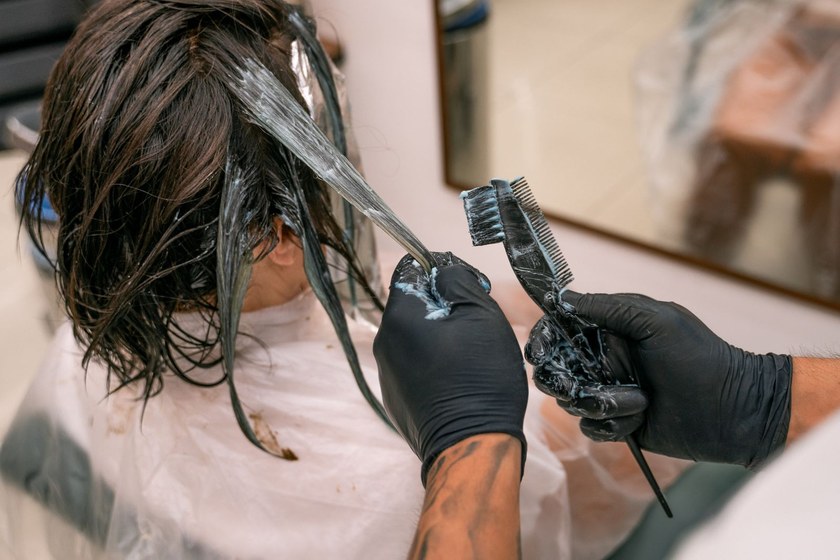
Single process color in Tysons is the root touch-up. One color formula goes onto your regrowth to cover gray and carry your existing color forward, starting at $95, and it is the maintenance appointment most color clients book every four to six weeks. Gray does not behave like the hair it replaced, though. It is often coarser, wirier and more resistant to color, which is why an at-home box that used to work can suddenly leave patchy or brassy results. Both HairSocial locations start with a free consultation before any color goes on.
Why gray is harder to color
Gray strands have lost pigment, and the cuticle tends to be tighter and thicker than on pigmented hair. That combination makes them slow to absorb color and quick to release it. Gray also reflects light differently, so a shade that looks right on the rest of your head can read washed out or ashy on the gray sections.
Our stylists work around that with processing choices rather than force: a longer development time, a formula built with more depth and warmth than you might expect, and sometimes a pre-softening step on resistant areas. The percentage of gray matters too. Twenty percent scattered through the top is a blending problem. Eighty percent across the whole head is a coverage problem, and the formula changes accordingly. Our post on why covering gray is so difficult goes deeper into the chemistry.
Single process color or all over color
These two names cause a lot of confusion at the front desk, so here is the practical difference.
- Single process color starts at $95. This is the root touch-up: one formula applied to the regrowth area to cover gray and carry your existing color forward. It is the standard maintenance appointment once you are on a color schedule, and it is what most people mean when they ask for gray coverage.
- All over color starts at $195 and takes that formula from root through ends. Choose it when the mid-lengths and ends have faded, when you are changing shade, or when previous color has gone uneven down the strand.
Most clients alternate: all over color when the tone needs resetting, single process root touch-ups in between. Men’s color starts at $95 and follows the same logic, usually with a softer blend rather than solid coverage.
Glazing as a lower-commitment option
Not everyone wants full coverage. A demi-permanent glaze deposits tone without lifting, so it blends gray into the surrounding color and adds shine instead of hiding the gray completely. Think of it as turning down the contrast rather than erasing it.
Because a glaze fades gradually, it does not leave the hard regrowth line that fuller coverage creates. That makes it a reasonable first step if you are unsure about starting a color schedule, and a useful tool if you are growing your gray out on purpose. Toner or glaze starts at $75, or starting at $125 with a blowout. Two caveats: it will not cover a high percentage of gray, and it needs refreshing more often. Our comparison of gloss versus glaze explains where each one fits.

How often to book a root touch-up
Root touch-ups land at roughly four to six weeks for most people. Hair grows about half an inch a month, and gray regrowth shows faster than regrowth on a darker natural base because the contrast is sharper.
Several things stretch or shorten that window. High contrast between your color and your natural gray shortens it. Gray concentrated right at the part shortens it further, since that is the strip everyone sees. A shade closer to your natural depth, or a blend that includes lighter woven pieces, buys you extra weeks. Talk through the cadence you can realistically keep at your consultation.
If you have been using box dye
Box color built up over years leaves dense pigment that sits unevenly along the strand, usually darkest through the mid-lengths. Salon color has to work with whatever is already there, and metallic salts in some at-home formulas can react unpredictably. So we ask for a strand test before a full appointment on box-dyed hair. It takes minutes and tells us how your hair will actually respond.
Where the test shows heavy buildup, the honest plan is staged. Correcting years of at-home color while also covering gray sometimes takes two or three visits, and your stylist will say so at the consultation rather than after your hair is already processing. Guidance on choosing a direction is in our post on the best hair color for gray hair.
Single process color in Tysons: starting prices
Each figure below is a starting price. Length, density, texture, the percentage of gray and any correction all affect what you pay, and your stylist goes over cost with you before starting.
- Single process color, the root touch-up, starts at $95
- All over color starts at $195
- Men’s color starts at $95
- Toner or glaze starts at $75, or starting at $125 with a blowout
- Partial highlights start at $250, full highlights at $300
- Haircut and style starts at $65
- Kérastase Première treatment starts at $85, Fusio-Dose at $75
Everything else is listed on our Salon Services Menu.
If the smell or the scalp sensation is what puts you off a root touch-up, ask about ammonia-free color. We now carry Wella Pure Perfection, which covers gray the same way without any ammonia in the formula.
Caring for colored gray hair
Coarse, resistant hair usually reads dry, and color sits on top of that. A sulfate-free shampoo slows fade, a weekly conditioning treatment softens the texture, and heat protectant keeps the cuticle from roughening under a flat iron. The American Academy of Dermatology offers straightforward, product-neutral healthy hair care guidance that applies regardless of what you buy.
In the salon, a Kérastase Première treatment starting at $85 or a Fusio-Dose starting at $75 can be added to a color appointment to improve how the hair feels afterward. We carry Wella Professionals, Kérastase and Shu Uemura for home care, and your stylist recommends based on your texture rather than the shelf.
Book single process color in Tysons or Falls Church
Our Tysons salon sits on the ground floor of Tysons Galleria at 2001 International Dr. #1600 with free garage parking, an easy trip from Great Falls. Our Falls Church salon is in Idylwood Plaza at 7511 Leesburg Pike #K, close to Annandale.
Consultations are free and same-day appointments are often available. Book online or call Tysons at (703) 992-8503 or Falls Church at (703) 827-3047.
Frequently asked questions
How much does single process color in Tysons cost?
Single process color, the root touch-up, starts at $95, and all over color starts at $195. The percentage of gray, your length and any correction needed move the figure, so your stylist confirms it before starting.
How often do I need a root touch-up?
Roughly every four to six weeks. Sharper contrast between your color and your gray means you will see regrowth sooner, and a softer blend stretches the interval.
Will a glaze cover my gray?
A demi-permanent glaze blends gray and adds shine rather than covering it fully. It suits scattered gray and lower commitment; a high percentage of gray needs single process color or all over color.
I have used box dye for years. Can you fix it?
Usually, though we want a free consultation and a strand test first. Heavy buildup sometimes means reaching your target color across two or three appointments instead of one.
Can I cover gray and add highlights at once?
Yes. Combining single process color at the root with woven lighter pieces softens the regrowth line and buys time between visits. Partial highlights start at $250.
Which colors cover gray most reliably?
A single process color at the root covers gray most reliably, because it deposits pigment instead of glazing over it. Shades near your natural depth blend regrowth more forgivingly than a dramatic change. If your gray is coarse or concentrated at the temples, your stylist may adjust the formula or the timing for those sections. Our guide to choosing hair color for gray hair goes into more detail.
Can you correct a color that went wrong?
Often, yes, though it is rarely one appointment. Banding, orange tones from a home lightener, and a dark box color over faded ends all need different approaches, and some are safer spread across visits. Book a free consultation first so we can look at your hair, run a strand test if it has been box-dyed, and give you a plan and a price before anything is mixed.