Babylights in Tysons and Falls Church
Babylights in Tysons and Falls Church
Babylights are the finest highlights we do, and they carry the highest starting price of any color service on our menu. A full set of babylights in Tysons starts at $350, a partial starts at $290, and the reason sits in the technique rather than the product: the colorist takes far thinner sections than a standard foil, works through more of them, and the appointment simply takes longer. Both HairSocial locations start with a free consultation, so you can see what a set would involve on your hair before you commit to it.
What babylights actually are
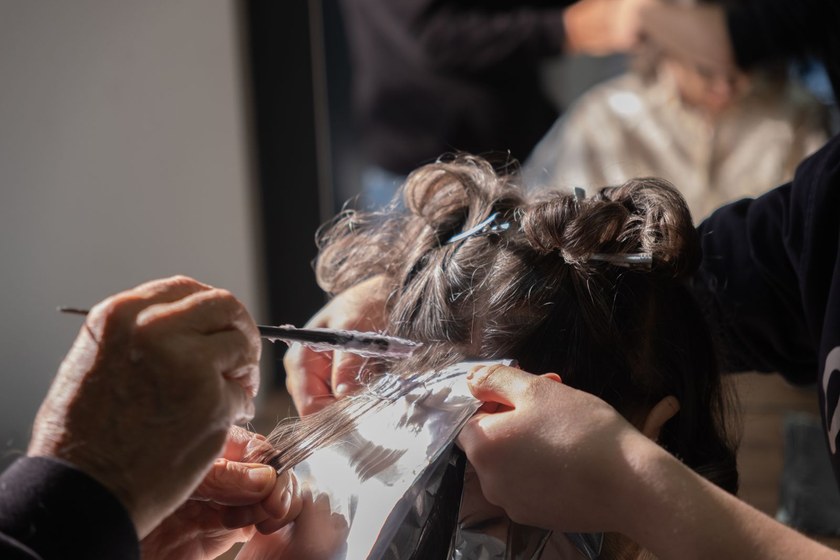
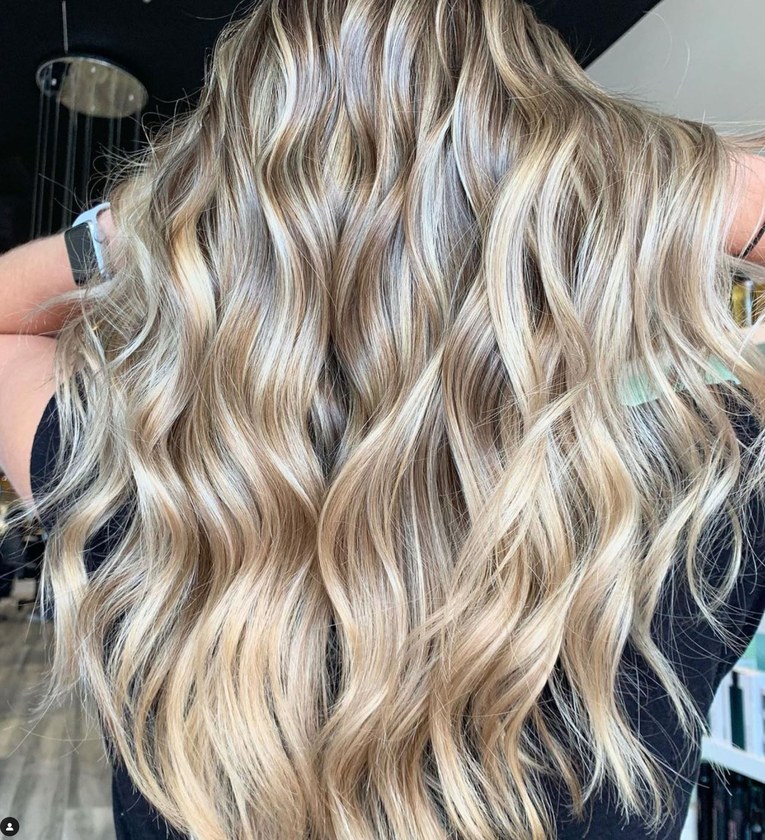
The name comes from the fine, sun-lifted hair children often have around the hairline and through the crown. Babylights recreate that by weaving very thin sections of hair into foils and lightening them, then leaving plenty of your natural depth in between. Because each lightened piece is narrow, the eye reads brightness rather than stripes.
Two details matter more than the shade you pick. The first is section size, because a thinner weave is what keeps the result soft. The second is placement: babylights concentrated around the face and part read very differently from babylights distributed evenly through the whole head. Your stylist maps that at the consultation rather than deciding it mid-appointment. On the Salon Services Menu the service is listed as Full Babylights and Partial Babylights, grouped with foilayage.
Why the price is higher than other color services
Compare the numbers on the menu and the pattern is clear. Full highlights start at $300 and full balayage starts at $300, while a full set of babylights starts at $350. Nothing about the lightener used for babylights in Tysons costs more. What changes is the number of sections and the time in the chair.
A standard foil highlight might use sections a quarter of an inch thick. Babylights go much finer, which multiplies how many foils have to be placed to cover the same area. That is slower work, and it is also more exacting, because fine sections give less room to hide an uneven weave. If you are choosing between services on cost alone, a partial set starting at $290 covers the top and the sections that frame your face, which is where most of the visible payoff is.
Babylights in Tysons: starting prices
Every figure here is a starting price. Length, density, how dark your natural base is, and whether any previous color needs working around all affect the final number, and your stylist confirms cost with you before starting.
- Full babylights or foilayage starts at $350
- Partial babylights or foilayage starts at $290
- Full balayage starts at $300, partial balayage at $250
- Full highlights start at $300, partial highlights at $250
- Money piece starts at $120
- Toner or glaze starts at $75, or starting at $125 with a blowout
- Haircut and style starts at $65
- Kérastase Première treatment starts at $85
Most sets are finished with a toner, which is what controls whether the lightened pieces read cool, neutral or warm. Our post on how toning changes a color covers why that step does so much of the work.
Babylights, balayage and foilayage side by side
These three get used interchangeably online, and they are genuinely different techniques.
- Babylights are very fine sections lightened inside foils, usually starting close to the root. The foil holds heat, so the lightener works evenly and can reach a brighter result on dark hair. The effect is soft brightness spread through the hair.
- Balayage is painted on freehand, in wider sweeps, and usually kept away from the root. It creates a graduated, lived-in look with a soft line where the color begins. See our balayage service page for how that appointment runs.
- Foilayage is hand-painted like balayage but then wrapped in foil, which lifts further than open-air painting on darker hair. It sits between the other two, and our comparison of foilayage and balayage goes into the detail.
In practice a lot of appointments combine techniques. A stylist might place babylights through the front for softness and use wider painted sections further back for movement. If you have brought in a photo, part of the consultation is working out which technique actually produced the result you liked, because photos rarely say.
Who babylights tend to suit
Four situations come up again and again at the front desk.
- You want to look brighter without a visible highlight pattern, particularly if you have worn foils before and found them too defined.
- You have fine hair, where thick sections can look heavy and thin weaves sit more naturally.
- You are lightening a dark base and want the control that foils give, rather than the softer lift of open-air painting.
- You are blending early gray, where fine lightened pieces reduce the contrast instead of covering it. Fuller coverage is a different service, described on our single process color page.
Where babylights are a harder ask is on hair that has been box-dyed for a long time, or that has been lightened repeatedly. Fine sections give a colorist very little margin, so on compromised hair your stylist may recommend a strand test first and, in some cases, reaching your target across two visits rather than one. Nobody should promise you a five-level lift in a single afternoon.
How babylights grow out
This is the quiet advantage. Because the lightened sections are narrow and the surrounding hair keeps its depth, regrowth arrives as a gradual softening rather than a hard line across your part. Most clients come back somewhere between twelve and sixteen weeks, and some stretch it further.
Three things move that window. A bigger gap between your natural depth and the lightened pieces shortens it. Babylights concentrated at the part shorten it too, since that is the strip you see every morning. A refreshing toner or glaze, starting at $75, buys time in between by resetting tone without adding more lightener. Compare that against traditional highlights, where a more defined pattern usually shows regrowth sooner.
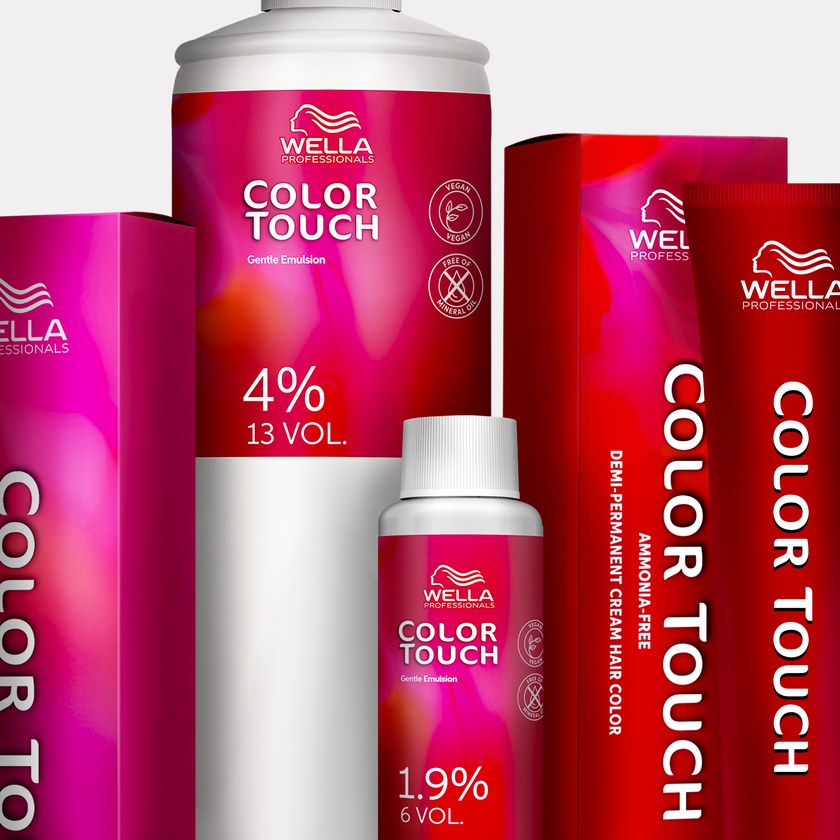
Babylights use a lightener, so an ammonia-free formula is not an alternative here. It is worth knowing about for the base though: if you pair babylights with an all-over base color, that part can be done with ammonia-free color.
Looking after them at home
Lightened hair is more porous than the hair around it, which is why babylights fade unevenly if the aftercare is thin. A sulfate-free shampoo slows fade, a weekly conditioning treatment helps the lightened pieces hold moisture, and heat protectant matters more than people expect on fine sections. The American Academy of Dermatology publishes product-neutral healthy hair care guidance that applies whatever you buy.
In the salon a Kérastase Première treatment starting at $85 can be added to a color appointment to improve how the hair feels afterward. We carry Wella Professionals, Kérastase and Shu Uemura, and your stylist recommends based on your texture rather than what is on the shelf.
Book babylights in Tysons or Falls Church
Our Tysons salon is on the ground floor of Tysons Galleria at 2001 International Dr. #1600, with free garage parking and an easy run in from McLean or Vienna. Our Falls Church salon sits in Idylwood Plaza at 7511 Leesburg Pike #K.
Because a full set takes longer than most color appointments, it is worth booking ahead where you can, though same-day slots are often available. Consultations are free. Book online or call Tysons at (703) 992-8503 or Falls Church at (703) 827-3047.
Before you book, have a look at our Gallery page, which pulls in our Instagram feed so you can see babylights and foilayage our stylists have done on real clients, across a range of starting colors and lengths.
Frequently asked questions
What’s the difference between full and partial babylights?
The same coverage question, because babylights are woven into foils like any highlight. A partial set is placed through the top section and around the face, and the sides below the ear, the back and the sections underneath keep your natural color. A full set works around the whole head to the nape, underneath included, so the softness carries through even when your hair is pulled back. L’Oréal Paris describes the same principle for highlights generally: a partial lightens select sections such as the top layer and face frame, a full is woven throughout. Since the weaves here are very fine, a full set means many more foils than a standard full highlight, and that drives both the length of the appointment and the price. A full set starts at $350 and a partial starts at $290.
What is the difference between babylights and balayage?
Two things: how the color is applied, and where it starts. Babylights are very fine sections lightened inside foils, generally beginning near the root, which spreads soft brightness through the hair and gives the colorist tight control on a dark base. Balayage is painted on freehand in wider sweeps and usually kept away from the root, so it reads as a graduated, sun-grown effect with more contrast between the light and dark pieces. Babylights also take longer, which is why a full set starts at $350 against $300 for full balayage. If you want brightness without a visible pattern, babylights are the closer fit; if you want a lived-in gradient and a longer stretch between visits, balayage usually is.
How much do babylights in Tysons cost?
A full set starts at $350 and a partial starts at $290. Length, density and how dark your starting color is all move the figure, so your stylist confirms it before any lightener goes on.
Do babylights work on dark hair?
Yes, and the foils are the reason. They hold heat and keep the lightener working evenly, so fine sections can be lifted several levels on a dark base. How far is honest to go in one visit depends on the condition of your hair, which is what the consultation and, where needed, a strand test are for.
How often will I need them redone?
Around twelve to sixteen weeks for most people, since narrow sections grow out softly. A toner or glaze starting at $75 in between keeps the tone where you want it without more lightening.
Can I have babylights and gray coverage together?
Often, yes. Babylights blend scattered gray by lowering the contrast, and where you need fuller coverage a single process at the root can be combined with woven lighter pieces. Single process color starts at $95. Our post on who babylights suit walks through the combinations we see most.
How long does a babylights appointment take?
Three to four hours for a full head and two to three for a partial, longer than a standard highlight because there are many more foils to place by hand. Adding a toner and a blow dry extends it, and your stylist gives you a realistic window at the consultation.
Will babylights damage my hair?
Any lightener changes the structure of the hair, so the honest answer depends on where your hair starts and how far you want to go. Fine sections and a lower-strength lightener are gentler than a full head of bleach, which is part of why babylights suit people who color regularly. If your hair is box-dyed, previously bleached or feels fragile, we run a strand test first and will say plainly if we think it needs a conditioning treatment or a second visit instead.