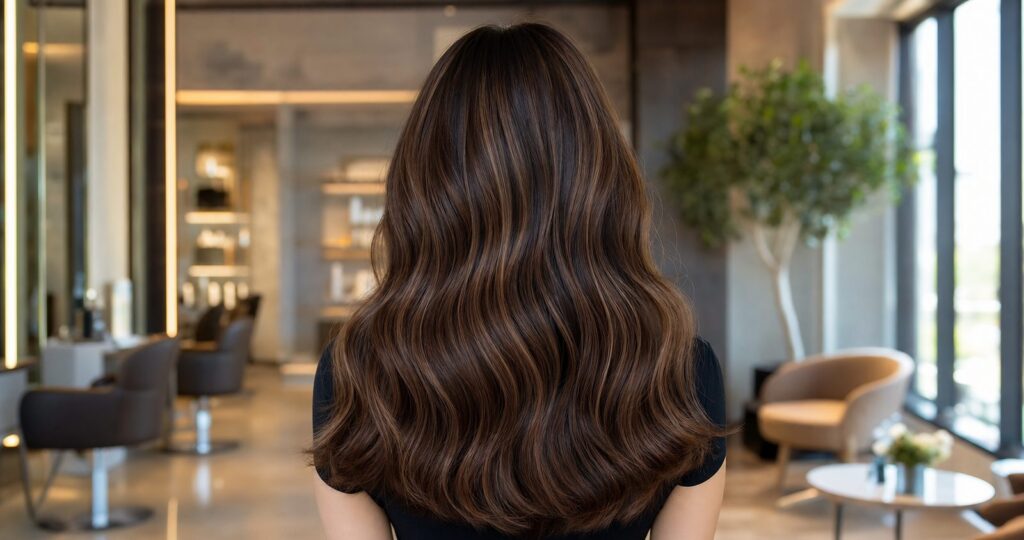
Babylights in Arlington VA can create a softer-looking grow-out than a row of wider, heavier highlights. The technique uses very fine sections, often wrapped in foils, to build a delicate pattern through the hair. New growth still appears, but the color transition may look more diffused when the placement and starting shade work together. The right timing depends on your contrast, coverage, and routine. Here is what to consider when planning maintenance, a toner or glaze, and the difference between a partial and full service.
Babylights in Arlington VA: A Softer Grow-Out
Babylights rely on narrow sections rather than broad slices of hair. That finer placement can soften the visual line where colored hair meets new growth. A heavier highlight often creates a more noticeable band as the root area grows in, especially when the lightened pieces sit close together or contrast sharply with the base shade. Fine highlights can create more space between bright pieces, so the transition may feel less abrupt.
That does not mean roots disappear or that every head of hair grows out the same way. Your natural shade, previous color, placement, hair density, and part all affect what you see. Someone who likes a visible root may be comfortable waiting longer. Someone who wants brightness close to the scalp may choose a shorter interval. Our stylists can talk through the trade-offs before selecting a pattern.
What “Soft” Means in Practice
A softer grow-out describes the visual transition, not a promise that maintenance will never be needed. The line can still show as your hair grows, and the tone can shift with washing, sun, and styling habits. A consultation helps set expectations around how much contrast you want and where brightness should sit. If a major change from a dark or box-dyed base is your goal, the plan may need more than one visit.
When to Schedule the Next Color Visit
Many guests use roughly eight to twelve weeks as a planning window for fine highlights, then adjust it to their own roots and schedule. This is a starting point for a conversation, not a fixed rule. A softer contrast can make a longer gap comfortable. Strong contrast, fast growth, or a preference for a brighter root area can bring the next appointment forward.
Your hair history also matters. Existing highlights, at-home color, gray coverage, and earlier lightening can affect what your stylist recommends. Texture and density change how visible new growth looks, while your usual part can concentrate attention in one area. If you have box-dyed hair, ask for a strand test before planning a lightening service. It gives your stylist a chance to assess how a small section responds.
Think about the calendar you actually keep. Work travel, events, and time for salon visits may matter as much as the appearance of the root line. Some guests book only when they want a change; others set a reminder to reassess after a couple of months. Either approach can work when you and your stylist agree on the goal and the condition of your hair.
Toner and Glaze: What They Can Change
A toner or glaze can adjust the tone and appearance of colored hair between highlighting appointments. Depending on the formula and the hair, it may help soften unwanted warmth, refresh a cooler or warmer direction, or add a more even-looking finish. It does not create new highlights or move the root line. That distinction helps you decide whether a tone refresh can address what you notice or whether you need a color appointment.
Color tone changes with time. Washing frequency, water, sun exposure, heat styling, and the starting shade all play a part. A toner or glaze may gradually fade, so a stylist can discuss when it makes sense to refresh and how that fits your routine. The American Academy of Dermatology’s hair-color guidance notes that some appearance-enhancing hair treatments can leave hair dry and brittle. Bring up your home care and heat habits during the consultation.
Not every in-between visit needs the same service. If you mainly notice a shift in tone, ask whether a glaze or toner is appropriate. If you want lighter pieces nearer the scalp, a toner cannot replace highlight placement. A quick conversation keeps the plan focused on the change you want rather than adding a service that does not solve it.
Babylights in Arlington VA: Partial or Full?
A partial service places babylights through selected areas, such as the top, crown, or sections around the face. It can suit someone who wants brightness in the areas they see most without refreshing every section. A full service distributes highlights across more of the head. Your part, haircut, and existing color pattern help determine which coverage makes sense.
Partial babylights start at $290; full babylights start at $350. These are starting prices from the Salon Services Menu, not a quote for every head of hair. The amount of hair, color history, desired coverage, and time needed can influence the service plan. During a free consultation, our stylists can review those details and explain whether partial or full placement better matches your goal.
For a closer look at coverage choices, see our guide to partial versus full highlights. Babylights use especially fine sections, while a partial or full service describes how much of the head receives placement. Those are related decisions, but they are not interchangeable terms. Ask your stylist to show which areas a proposed plan would address.
Why Ultra-Fine Foils Take Time
Each babylight section is narrow, so the stylist repeats the parting and foil placement across many small pieces. Consistent spacing matters. If sections vary too much, the finished pattern can look heavier in one area and sparse in another. Your stylist also tracks how the chosen sections relate to your part, hairline, and existing highlights.
Application time depends on how much hair needs coverage and how intricate the placement will be. Longer or denser hair may require more sections. A full service typically covers more territory than a partial, and a correction may call for extra planning. Processing time also depends on your hair and the target shade. Leave room in your schedule rather than assuming every visit will take the same amount of time.
When a Change Needs More Than One Visit
Moving from a deep base to a much lighter result can take more than one visit. Previous box dye or overlapping color may also change the plan. A strand test helps your stylist examine a small section before mapping out a larger service. If the test or consultation points to a gradual approach, your stylist can explain what to address first and when to reassess.
Estimate Maintenance Across a Year
Yearly upkeep depends on how often you return and which service you choose. Instead of assuming a set number of appointments, sketch a few possible schedules: a longer interval with selective partial refreshes, or more frequent visits with broader coverage. Then compare each plan against the published starting prices. Your actual total depends on the services selected and your hair, so treat the menu as a planning baseline rather than a fixed annual bill.
Keep tone refreshes separate from highlight appointments in your notes. A toner or glaze may address a change in tone, while new foils add brightness closer to the root area. You may not need both at every visit. Record what you want to change, how the last appointment wore, and what your stylist recommends next. That makes the next discussion more specific.
Babylights in Arlington VA may suit someone who wants brightness with a softer transition, but the right maintenance rhythm is personal. Set aside time for a consultation before committing to a yearly schedule. Your stylist can consider the color already on your hair and explain when a smaller refresh will do, when broader coverage may help, or when gradual work is more realistic.
Plan Babylights in Arlington VA With a Consultation
Bring a few reference photos and describe what you like about them: the brightness near the face, the contrast at the roots, or the overall balance. Photos help show direction, but your stylist will also consider your current shade, hair history, and daily routine. Mention box dye or any recent lightening. That information helps shape a plan and identifies when a strand test makes sense.
HairSocial offers a free consultation so you can discuss the difference between partial and full placement, ask how a toner or glaze fits between visits, and review starting prices. The Salon Services Menu lists available services. If babylights are one option among several, our guide to foilyage versus balayage can help you prepare questions about placement techniques.
When you are ready to talk through a color plan, book a free consultation. A clear conversation about grow-out, tone, and timing can help you choose an approach that fits both your hair and your calendar.

Jessica Colors
Jessica Colors writes about color, cutting and care for HairSocial, a salon with two Northern Virginia locations: Tysons Galleria and Idylwood Plaza in Falls Church. Her posts stick to the practical side of a service — what it involves, what it starts at, how long it holds and what it takes to keep it looking good between appointments. Anything specific to your own hair is better answered in person, and consultations are free at both locations.